 跳至内容

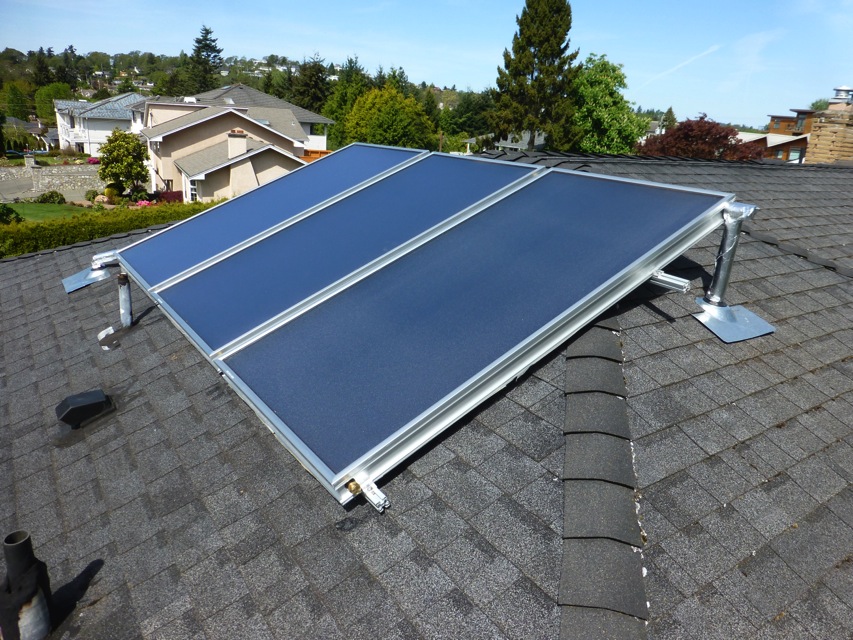
Every solar hot water system fits one of two circulation types and one of two loop types, and the right combination depends on freezing, water quality and who will service it. This guide sorts the main types and shows which suits which market.
Short answer: A solar hot water system is classified by how the fluid moves (active with a pump, or passive without one) and by what runs through the collector (potable water in a direct system, or an antifreeze fluid in an indirect system). Passive thermosyphon and integral collector storage (ICS) systems are the simplest and suit frost-free climates, while active indirect systems suit freezing climates, indoor tanks and large loads. Drainback systems are a variation that protects against freezing by emptying the collector when the pump stops.
Key Takeaways
- Two questions define a system: is there a pump (active or passive), and does household water pass through the collector (direct or indirect)?
- Passive systems are cheaper and more reliable but belong in frost-free climates.
- Indirect systems add a heat exchanger and antifreeze so they can work where it freezes.
- Match the type to freezing risk, water quality, load size and local installer skills before price.
What Are the Basic Types of Solar Hot Water Systems?
Solar hot water systems divide into active and passive, and each can be direct or indirect, which gives four combinations. The U.S. Department of Energy’s Solar Vision Study explains that domestic solar water heating systems can be active or passive and that most use glazed flat plate or evacuated tube collectors.
The classification works like this:
- Active: a pump and controller circulate water or fluid through the collectors.
- Passive: no pump; gravity and natural convection circulate the fluid, or water pressure feeds a batch heater.
- Direct: potable water is heated in the collector itself.
- Indirect: a heat-transfer fluid with antifreeze is heated in the collector and passes its heat to potable water through a heat exchanger.
Our guide to how solar water heaters work explains the underlying physics, and this guide focuses on the choices a buyer or installer makes.
What Are Passive Solar Hot Water Systems?
Passive systems circulate heat without a pump, and the two common forms are thermosyphon and integral collector storage. The U.S. Department of Energy’s building science education pages describe thermosiphon solar water heating as a passive system that relies on natural convection and appropriate for warmer coastal climates.
- Thermosyphon: the tank sits above the collector, and heated water rises into it. Our thermosyphon system range covers 150 L to 400 L; see the design guide on roof load and climate limits.
- Integral collector storage (ICS): the collector and storage are one unit, often called a batch heater. ICS is simple but exposed to cold nights and suits warm climates.
Passive systems have no controller and no pump to fail, but they cannot place the tank away from the collector, and a direct passive system is vulnerable to freezing.
What Are Active Solar Hot Water Systems?
Active systems use a pump and a controller so that the tank can sit anywhere, such as inside the building. The pump runs when the collector is hotter than the tank, and the controller switches it off when the difference closes.
- Direct active: pumps potable water through the collectors. It suits climates where freezing is rare.
- Indirect active: pumps an antifreeze fluid through the collector and a heat exchanger in the tank. It is the standard choice where freezing occurs.
- Drainback: a variation of the indirect loop in which the collector fluid drains into a reservoir when the pump stops, so there is nothing left to freeze or boil.
Our split system is the active, pumped design with a separate tank, and the guide to split solar hot water systems lists the components and controls.

How Do the System Types Compare?
The types differ in climate suitability, cost and maintenance, as the table shows.
| System type | Pump | Freeze protection | Cost and maintenance | Best fit |
|---|---|---|---|---|
| Thermosyphon (direct) | No | None; frost-free climates only | Lowest cost, minimal maintenance | Warm markets, households |
| Thermosyphon (indirect) | No | Antifreeze in the closed loop | Higher cost, glycol checks | Light frost markets |
| ICS (batch) | No | None; warm climates only | Low cost, heavy roof unit | Warm markets, low demand |
| Active direct | Yes | Limited, with drain valves | Moderate cost, pump and controller | Mild climates, indoor tank |
| Active indirect | Yes | Antifreeze loop | Higher cost, glycol and heat exchanger | Cold climates, large loads |
| Drainback | Yes | Drains when idle | Needs slope and reservoir | Freezing climates with careful installation |
The U.S. Department of Energy’s Federal Technology Alert on solar water heating says passive systems need no pumps or electronic controls, which greatly simplifies operation and maintenance. It also notes that they usually store water outside at or near the collector, so they lose more heat, which lowers efficiency in cold climates.
Which System Type Should You Choose?
Choose the system type from the climate first, the water quality second and the load third. Work through these four checks:
- Freezing: if the collector can freeze, use an indirect or drainback system.
- Tank location: if the tank must be indoors or hidden, use an active split system.
- Water quality: hard or saline water favours a closed loop and a suitable tank material; see our guide to enamel and stainless steel tanks.
- Load size: households suit packaged systems, while hotels and hospitals need a collector field and a large tank; see our guide to solar hot water for hotels.
A distributor should keep the range narrow. One thermosyphon line for warm markets and one split line for projects and cold regions cover most demand, with spare parts and mounting kits standardised across both. Our guide to thermosyphon versus split systems sets out the trade-off in detail.

How Millionsun Supplies Solar Hot Water Systems
Millionsun is a source factory in Dongguan, Guangdong, producing since 2006 on an 8,000 m² site with more than 80 employees and 6 automated production lines. Collector capacity is 20,000 m² per month, tank capacity is 4,000 units per month, and every collector and tank is 100% pressure tested before shipment. The tank range carries a 5-year warranty.
We supply both the thermosyphon system and the split system as complete units, SKD, CKD or components, with OEM and ODM options for logo, labels, packaging, coating colour, sizes and documentation. Samples start at 1–2 units and we reply within 24 hours.
Need a system type for your market?
Millionsun is a source factory in Dongguan, China, producing flat plate collectors, solar water tanks and complete systems since 2006. We supply complete units, SKD, CKD or components, with OEM and ODM options. Send your climate, water analysis and load and we will reply within 24 hours.
Request a QuoteFrequently Asked Questions
What are the main types of solar hot water systems?
The main types of solar hot water systems are active or passive, and direct or indirect. Passive systems include thermosyphon and integral collector storage, and active systems add a pump and controller with direct, indirect or drainback loops.
What is the difference between direct and indirect solar hot water systems?
A direct system heats potable water in the collector, while an indirect system heats an antifreeze fluid that passes its heat to potable water through a heat exchanger. Indirect systems cost more but work where freezing occurs.
Which solar hot water system is best for a cold climate?
An active indirect or drainback system is best for a cold climate, because the collector loop is protected against freezing. A thermosyphon unit with an indirect heat exchanger can serve light-frost areas.
Is a thermosyphon system the same as a passive system?
A thermosyphon system is one kind of passive solar hot water system, because natural convection moves the water with no pump. Integral collector storage is the other common passive type.
What is a drainback solar hot water system?
A drainback solar hot water system is an indirect active system in which the collector fluid drains into a reservoir when the pump stops. This protects the collector from freezing and overheating when the system is idle.
Bottom Line
- Sort every system by pump (active or passive) and loop (direct or indirect).
- Use passive direct systems in frost-free markets and indirect or drainback systems where it freezes.
- Keep the range narrow: one passive line and one active line cover most demand.