 跳至内容

Split Solar Water Heating Systems: Components, Controls and When to Specify Them
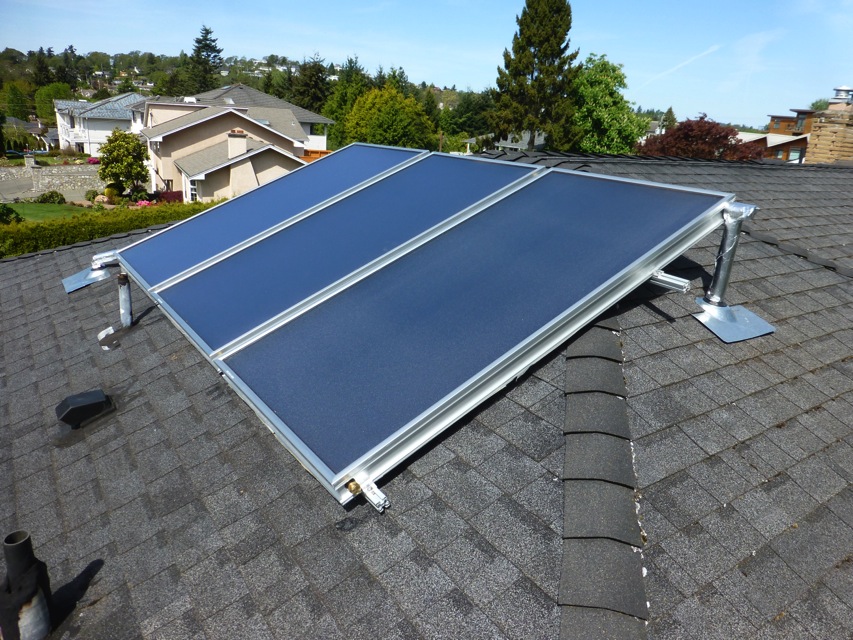
Short answer: A split solar hot water system places flat plate collectors on the roof and the storage tank indoors, linked by insulated pipework, a pump station and a differential controller. Specify it when the roof cannot carry a tank, when freezing is possible, or when the tank needs to sit close to the point of use.
Core components
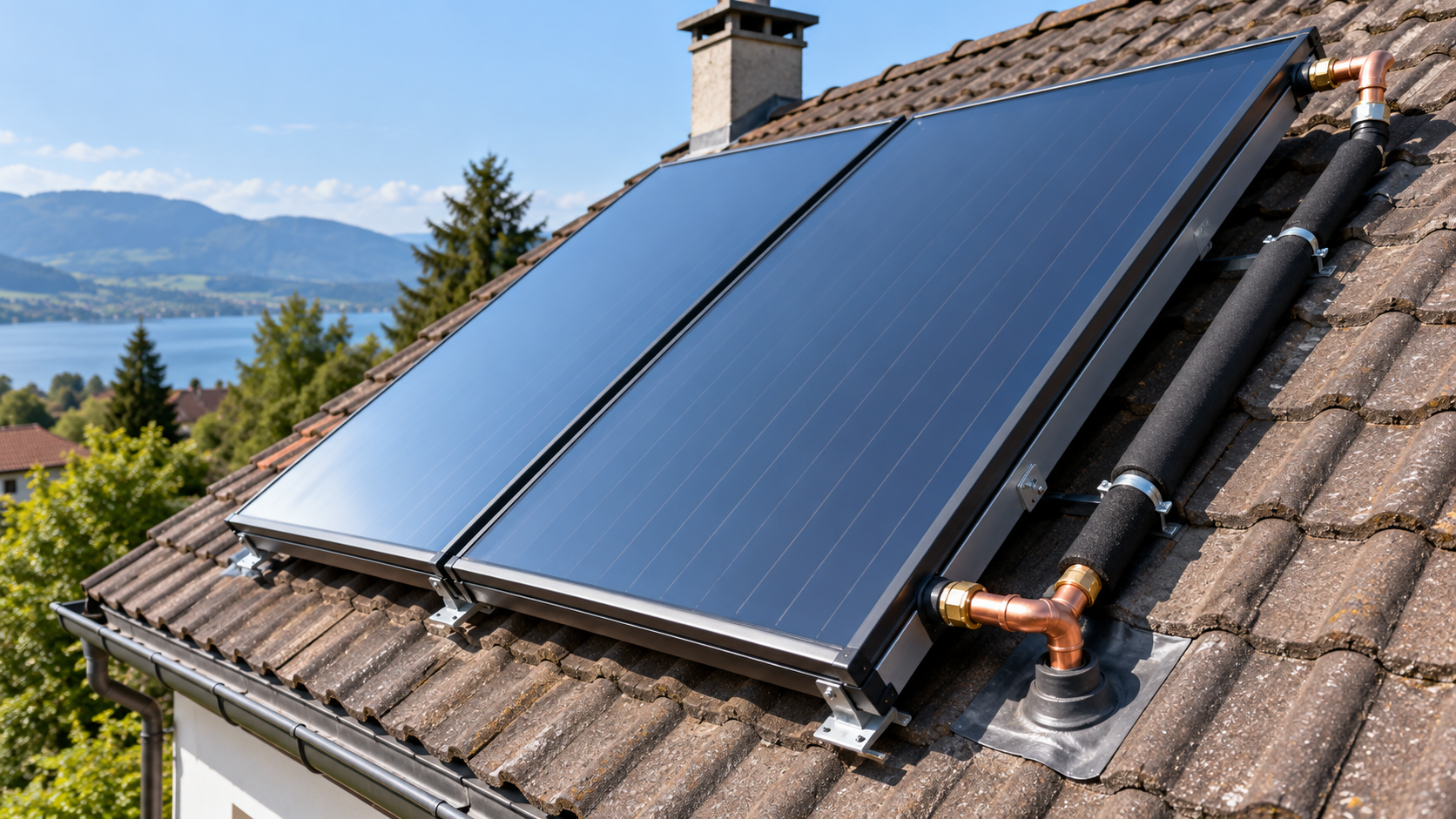
- Flat plate collectors absorb solar radiation and heat the loop fluid.
- Insulated flow and return pipework carries heat between roof and tank.
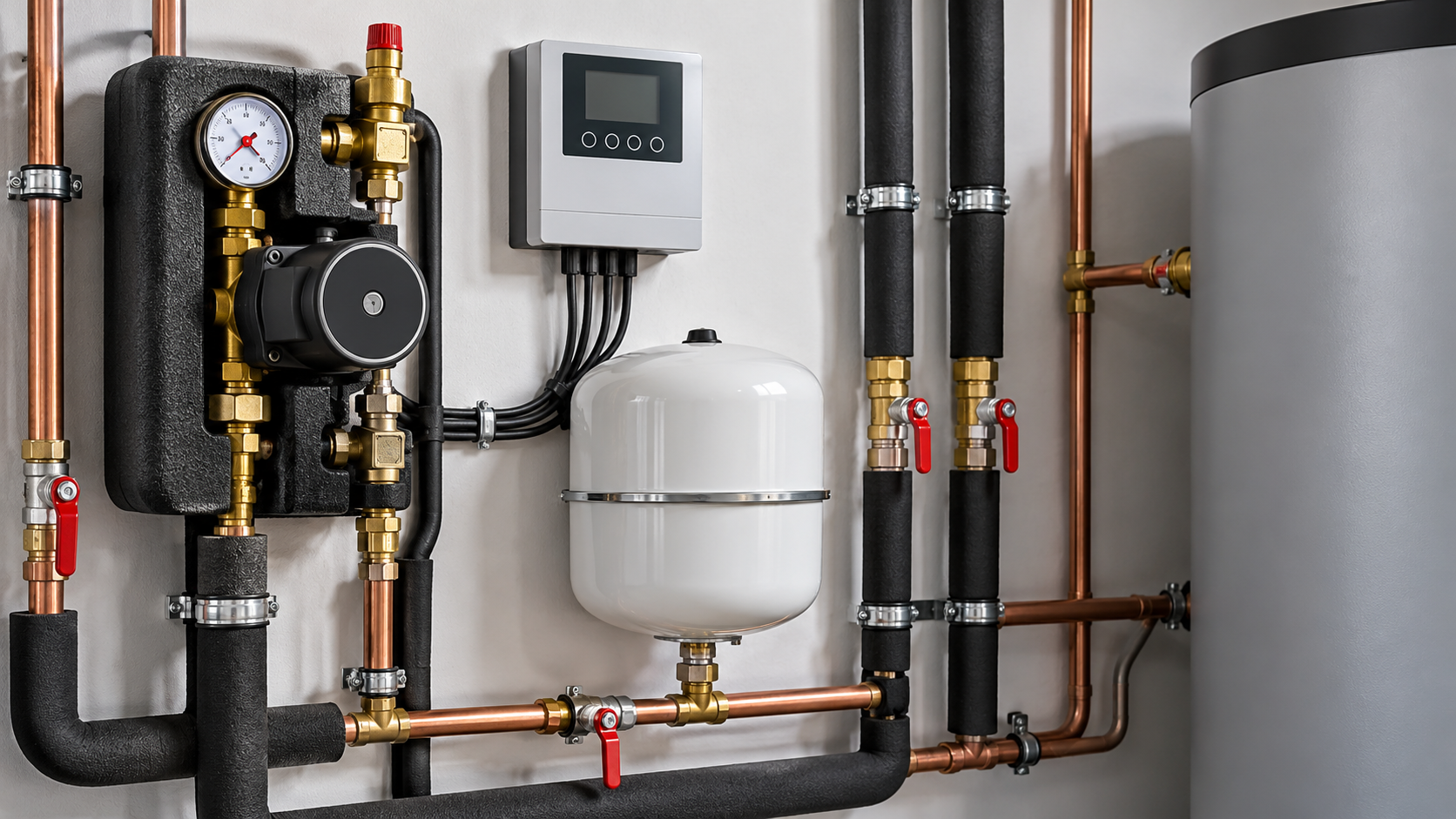
- A pump station, expansion vessel and safety valves manage circulation and pressure.
- A differential controller starts the pump when the collector is hotter than the tank.
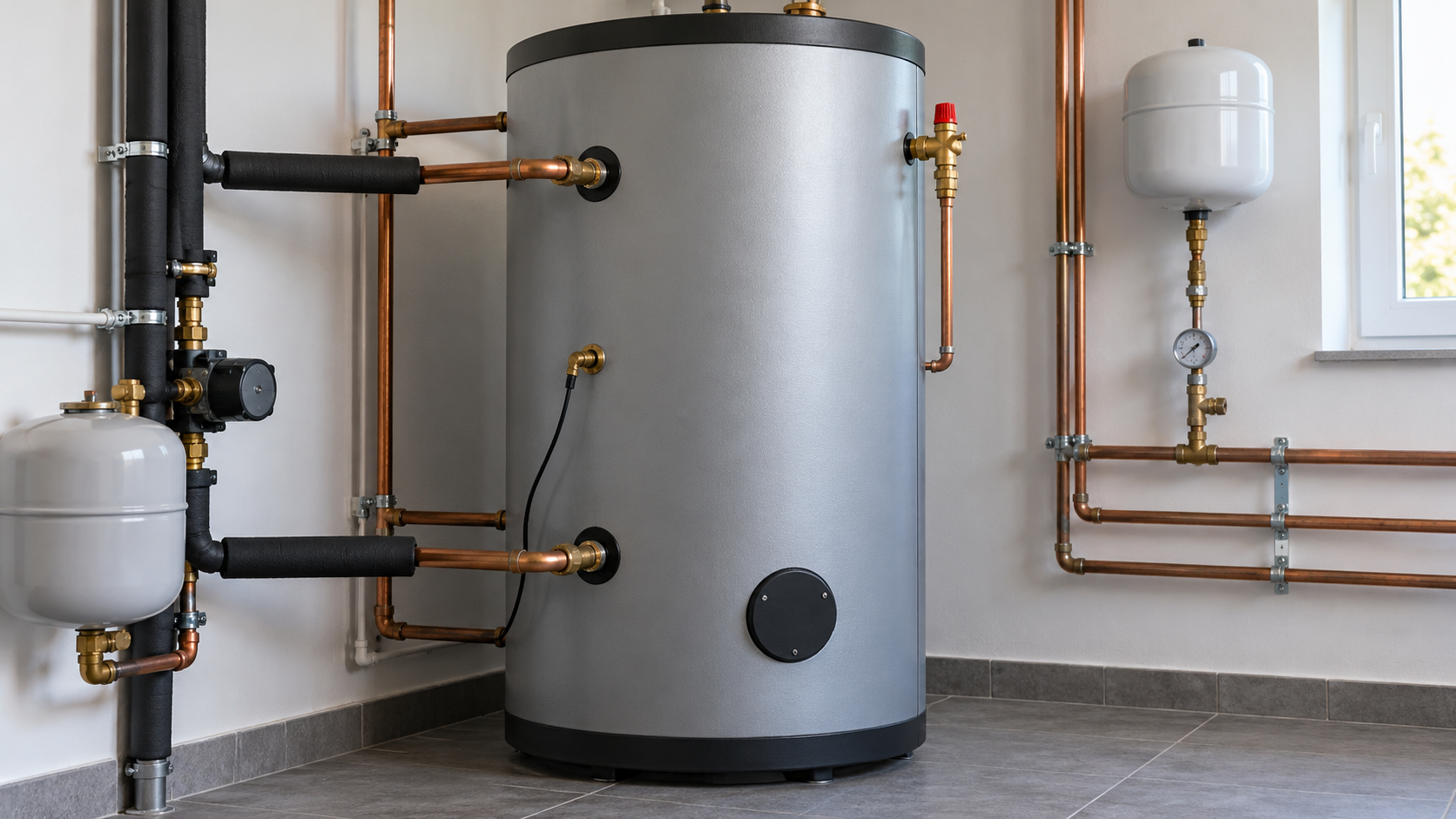
- An indoor storage tank with a coil transfers heat to potable water.
Controls and freeze protection
Set the controller to start circulation only when the collector has a useful temperature advantage over the tank, and stop it before heat flows backwards. In freezing climates, an indirect propylene-glycol loop is the usual choice; drain-back systems are another option where pipe falls and pump head can be designed correctly.
Tank and specification checks
Confirm collector operating and test pressure, stagnation temperature, connection size, tank working pressure, heat-exchanger configuration, safety valves and sensor pockets. Millionsun collectors are pressure-tested, use 22 mm copper headers and are available in 1.5–3.0 m² gross areas.
When to choose a split system
Choose split instead of a thermosyphon system when roof loading, appearance, frost protection or plant-room access matters more than minimum component count. A qualified installer should size the loop, expansion vessel, storage and backup heater together.
Conclusion
A split solar hot water system trades a few extra components for flexible tank placement and better control. Use certified collectors, matched hydraulic components and a documented commissioning schedule.