 跳至内容

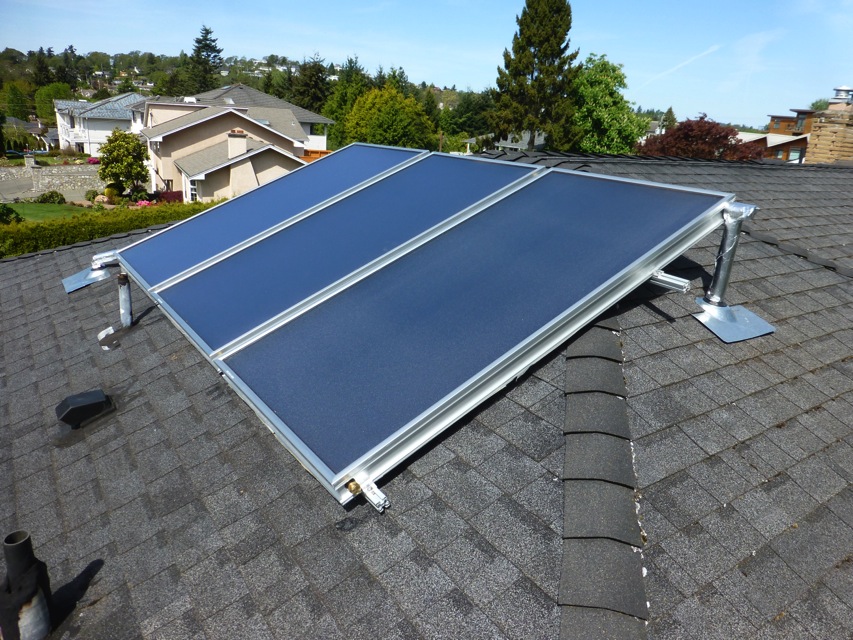
A first order is a test of the factory as much as the product. These are the questions that separate a real manufacturer from a reseller, and a documented product from a brochure, before you commit money.
Short answer: Before a first order, ask a solar water heater factory six things: proof that it manufactures the product, certificates for the exact model you will buy, how every unit is tested and traced, what the sample and order terms are, what the warranty and spare parts cover, and how it handles shipping and after-sales. Get each answer in writing, tied to a model number, and compare quotations on documents, not on price.
Key Takeaways
- Ask for evidence tied to a model number: test reports, certificates, drawings and the specification the quote is based on.
- Check certificates against the public Keymark database, and confirm they cover the exact model you are ordering.
- Order samples first and test them yourself, including pressure and stagnation checks.
- Put warranty scope, spare parts and serial-number traceability into the contract, not just the brochure.
How Can You Tell If a Solar Water Heater Supplier Is a Real Factory?
A real factory can show the lines that make the product and answer detailed process questions on the spot, while a reseller answers with brochures and promises to check. The questions below put a supplier’s manufacturing claim to the test:
- Which processes do you run in-house? For flat plate collectors the key ones are absorber coating, welding, glass and frame assembly and testing. For tanks they are cutting, welding, foaming and pressure testing.
- What is your monthly capacity for my product? A factory gives a number per product line. A vague “any quantity” answer is a warning.
- Can I see the line, live or by video call? Ask them to show the welding station and the pressure test, not a gallery of stock photos.
- Which parts do you buy in and from whom? Glass, copper tube and selective coating are usually sourced. A factory names its materials and specifications; it does not hide them.
- Who owns the tooling and the moulds? This matters for OEM and private-label projects where you want exclusivity.
Two checks cost nothing. Match the company name and address on the quotation, contract and certificates, and ask for a recorded video of the production line showing your model.

What Certification Questions Should You Ask Before a First Order?
Ask for the certificate and the test report for the exact model you will buy, then check them against the public register. A logo on a brochure proves nothing about the model on your purchase order.
For Europe, the Solar Keymark scheme listed by Eurovent Certification covers solar collectors tested to EN 12975 or ISO 9806, factory-made systems tested to EN 12976 and custom-built systems tested to EN 12977. The Keymark certificate database lists the holder’s name and address, the certified types or models, the standards used, the registration number, the validity period and the responsible certification body. It lists only valid certificates, so a missing entry can mean the certificate was suspended, withdrawn or has lapsed.
- Which model does the certificate cover? A certificate for one collector does not cover a different coating, size or absorber.
- Who holds the certificate? Check that the holder’s name and address match the factory you are contracting with.
- Is it valid today? Check the validity period and look the entry up in the database yourself.
- Which markets do you need? Ask for Solar Keymark for Europe, SRCC OG-100 for the United States, and WaterMark or AS/NZS 2712 for Australia, as your destination requires. Our guide to solar collector certification by market explains each.
- Can I see the ISO 9806 test report? The IEA SHC guide to ISO 9806:2017 lists the durability tests a collector has passed, including the exposure test, standard stagnation temperature determination, thermal shock, freeze resistance and internal pressure tests. The report shows which of those the sample actually underwent.
How Does the Factory Test and Trace Every Unit?
Ask whether testing is done on every unit or on a sample, what is tested, and how a faulty unit can be traced back to a batch. A factory that tests every collector and every tank, and records it by serial number, gives you something to enforce in a warranty dispute.
| Question | What a good answer looks like |
|---|---|
| Is every collector and tank pressure tested, or only samples? | Every unit is tested, with the test pressure stated per product and recorded |
| How is the absorber coating checked? | Each batch of absorber sheets is tested for coating performance before use or shipment |
| Does each unit carry a serial number? | Yes, linked to batch, production date, QC records, materials and shipment destination |
| What are the working and test pressures? | Stated on the datasheet for each collector and tank, with the safety devices that go with them |
| What stagnation temperature is the collector rated for? | A stated maximum idle temperature, matched to the glass, seals and insulation |
| What happens to a unit that fails testing? | A defined rework or scrap process, not shipment with a note |
Our factory quality-control checklist goes deeper on the eight checks to verify before you order. Treat any supplier that cannot name its test pressures as unproven for pressurised systems.
What Should You Ask About Samples, Minimum Order and Lead Time?
Ask for a sample of the exact model first, and agree the minimum order, lead time and what changes for OEM work before you pay a deposit. Samples are the cheapest insurance in a first order.
- Sample quantity and cost: Ask how many units a sample order can be and whether the cost is credited against the first order.
- Minimum order quantity: Ask for the MOQ per model in the quotation. For OEM and ODM work it depends on the level of customisation, so ask what triggers a higher quantity.
- Standard lead time versus OEM lead time: Ask for both, written as calendar or working days, with what the clock starts from (deposit or approved drawing).
- What can be customised: Logo, labels, packaging, absorber coating colour, collector and tank size, frame colour and profile, and technical documentation are the usual OEM items.
- Supply form: Ask whether complete units, SKD, CKD or components are available, and how the price changes between them. Our guide to CKD, SKD and complete collectors covers the trade-offs.
When your samples arrive, test them rather than admire them: measure dimensions against the drawing, pressure test one collector and one tank to your own procedure, and open one unit to inspect insulation, seals and welding.
What Warranty and Spare Parts Should the Supplier Commit To?
Get warranty terms, the claim process and the spare parts policy in writing per product, because brochure statements often differ between pages and models. A supplier who cannot give one consistent number per product is leaving room to argue later.
- Warranty by component: Collectors, tanks, controllers and accessories usually carry different terms. Ask for each.
- What the warranty excludes: Scale, freezing, overheating from a missing safety device and bad installation are common exclusions.
- Claim process: Ask what the buyer must send (serial number, photos), how long a decision takes and who pays freight.
- Spare parts policy: Ask which parts are held, how long they are supported and the dispatch time for each category.
- Transferability: If you sell to project clients, ask whether the warranty can be passed on to the end client.

What Should You Ask About Packing, Shipping and Documents?
Ask how products are packed for sea freight, how containers are loaded and which documents come with each shipment, because damage and missing paperwork cause more first-order disputes than product faults. Settle these points before you pay the deposit:
- Packing method: Ask for the export packing description per product and for photos of a packed pallet or crate.
- Loading plan: Ask for the number of units per container for your model, in writing, so freight is calculated on the same basis.
- Documents: Ask which certificates, test reports, manuals and packing documents ship with the goods, and whether they are in your language.
- Incoterms and payment terms: Agree the Incoterm, the payment schedule and what happens if inspection fails.
- Inspection: Ask whether you or a third party can inspect before shipment, and who pays for re-inspection.
How Millionsun Answers These Questions
Millionsun is a source factory in Dongguan, Guangdong, producing flat plate collectors and solar water tanks since 2006 on an 8,000 m2 site with more than 80 employees and 6 automated production lines. Welding is done on 2 ultrasonic lines and 1 laser line, absorber coating is done in-house, and monthly capacity is 20,000 m2 of collectors and 4,000 tanks.
Every collector and every tank is 100% pressure tested, collectors operate at 12 bar and are tested at 20 bar, and tanks work at 0.7 MPa with a 1.2 MPa test pressure. Each collector carries a unique serial number tied to batch, production date, QC records, materials and shipment destination, and every batch of absorber sheets is tested for coating performance before shipment.
Our certification record is public: Solar Keymark for collectors in 2008 and for collectors and systems again in 2011, and SRCC, WaterMark and AS/NZS 2712 in 2011. Check the certificate for the model you intend to buy against the database before you order, as we would advise for any supplier. Our certificate page shows the documents on file.
For first orders, samples start at 1-2 units, and the standard lead time is 15-20 days. MOQ for OEM and ODM work depends on the level of customisation. Tanks carry a 5-year warranty; for collector warranty, confirm the terms for your model in the quotation. Spare parts are supported for the full product lifespan, with 3-5 working days for gasket and seal kits and connector fittings and 5-7 working days for sensors and controllers. We reply within 24 hours. See our pages for distributors and importers and for solar water heater brands for how OEM projects run.

Ready to compare a factory against your checklist?
Millionsun is a source factory in Dongguan, China, producing flat plate collectors, solar water tanks and system accessories since 2006. We supply complete systems, SKD, CKD or components, with OEM and ODM options for logo, labels, packaging, coating colour, collector and tank size and technical documentation. Send your model list and destination market and we will reply within 24 hours.
Request a QuoteFrequently Asked Questions
What documents should a solar water heater supplier send before a first order?
A solar water heater supplier should send the datasheet, drawings, certificates, test reports and a written quotation for the exact model before a first order. Check that the model names match on every document and that the certificate holder’s name and address match the supplier you are paying.
How many samples should I order from a solar water heater factory?
Order one or two units of each model you plan to sell, because that is the usual sample quantity and enough to run your own pressure, fit and inspection checks. Ask whether the sample cost is credited against the first order and whether the samples carry your brand or are unbranded.
How do I verify a Solar Keymark certificate?
To verify a Solar Keymark certificate, search the public Keymark certificate database for the holder and model, and check the validity period and standards listed. The database lists only valid certificates, so a missing entry means the certificate may be suspended, withdrawn or expired.
Should I test a solar collector sample myself?
Yes, you should test a solar collector sample yourself before ordering, because an independent check is the only way to confirm the supplier’s figures. Measure dimensions against the drawing, pressure test the unit to the stated test pressure and open one unit to inspect seals, insulation and welding.
What should a first-order contract with a solar water heater factory include?
A first-order contract with a solar water heater factory should include the model and specification, price and Incoterm, payment terms, lead time, warranty and spare parts terms, packing and loading method and the documents shipped with the goods. Put the inspection rights and the remedy for failed inspection in writing as well.
Bottom Line
- Ask for evidence tied to a model number, not brochure claims: test reports, certificates, drawings and specifications.
- Verify certificates against the public Keymark database and make sure they cover the exact model and the right company.
- Order and test samples before volume, and agree MOQ, lead time and OEM terms in writing.
- Fix warranty scope, spare parts, serial-number traceability and shipping documents in the contract.