
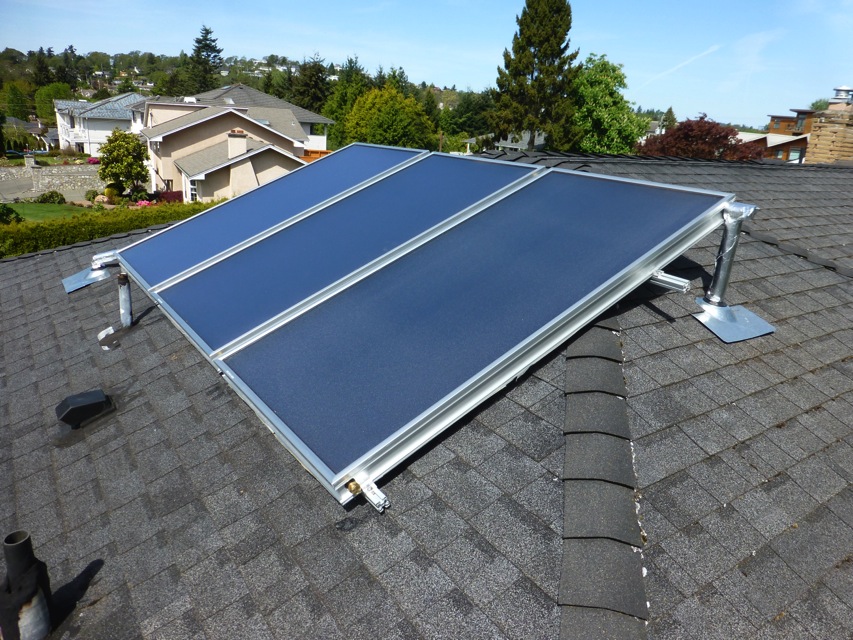
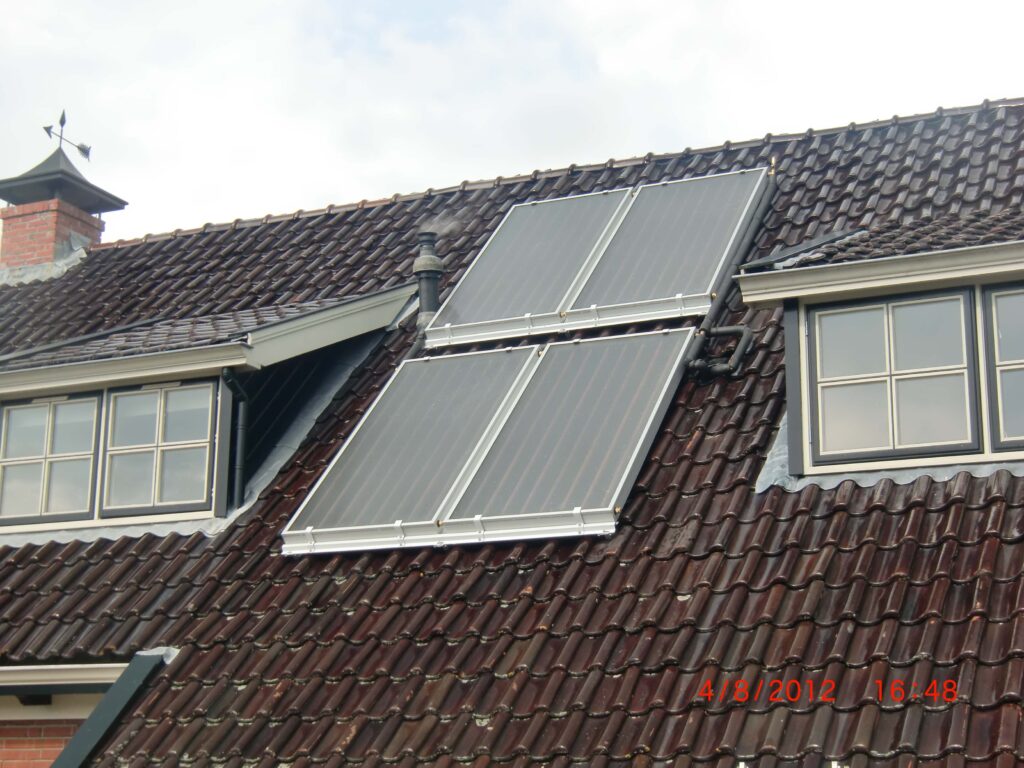
With rising energy costs and increasing demand for renewable solutions, solar water heaters have become an efficient way to reduce electricity and gas consumption. By converting sunlight into usable heat energy, solar thermal systems provide reliable hot water for residential, commercial, and industrial applications.
What Is a Solar Water Heater?
A solar water heater is a system that uses solar energy to heat water through solar collectors. Unlike photovoltaic panels that generate electricity, solar thermal collectors directly absorb solar radiation and transfer heat to water or heat transfer fluid.
A typical solar water heating system consists of:
- Solar collectors
- Storage tanks
- Heat transfer pipes
- Circulation pumps
- Controllers and valves
Among these components, the solar collector plays the most important role in determining system efficiency.
How Does a Solar Collector Heat Water?
The working process is simple:
1. Solar Energy Absorption
Solar collectors are installed in areas with sufficient sunlight exposure. The absorber plate inside the collector captures solar radiation and converts it into thermal energy.
High-performance collectors usually use selective coatings, such as black selective coatings, which provide high absorptivity and low emissivity.
2. Heat Transfer
Copper tubes or aluminium absorber channels transfer the collected heat to the circulating fluid. The heated fluid then moves through the system and transfers energy to the water storage tank.
3. Hot Water Storage
The heated water is stored in an insulated tank and can be used for:
- Household hot water
- Hotels and hospitals
- Swimming pools
- Industrial heating processes
Main Types of Solar Water Heaters
Flat Plate Solar Collectors
Flat plate collectors are widely used because of their stable performance, long service life, and easy maintenance.
Advantages include:
- Strong weather resistance
- Simple structure
- Large heat collection area
- Suitable for commercial applications
Evacuated Tube Solar Collectors
Evacuated tube collectors use vacuum insulation technology to reduce heat loss.
They are suitable for:
- Cold climates
- High-temperature applications
- Residential heating systems
Benefits of Using Solar Water Heaters
Lower Energy Costs
Solar energy is free and renewable. A solar water heating system can significantly reduce dependence on electricity or gas.
Environmentally Friendly
Solar thermal systems reduce carbon emissions and help businesses achieve sustainability goals.
Long Service Life
High-quality solar collectors can operate reliably for many years with proper installation and maintenance.
Conclusion
Solar water heaters provide an efficient and sustainable solution for hot water production. With advanced solar collectors, reliable heat transfer systems, and durable materials, modern solar thermal technology continues to improve energy efficiency worldwide.